
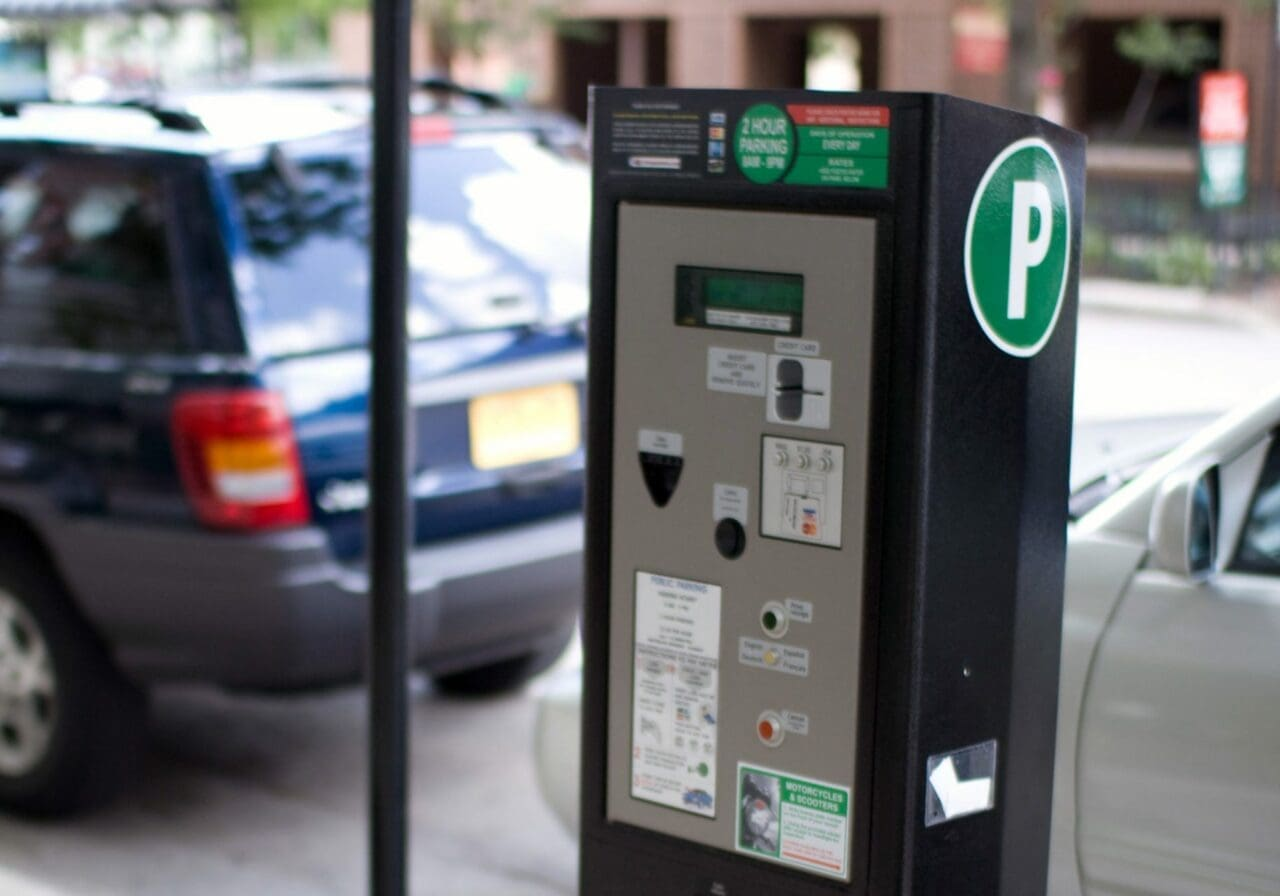

In 2008, during the height of a financial crisis, the city of Chicago was facing a pressing budget shortfall. In search of immediate relief, the city struck a deal that would quietly reshape the future of urban infrastructure investment—though few realized it at the time.
Chicago signed a 75-year lease, handing over the rights to manage and collect revenue from its 36,000 parking meters to a private investor group for a one-time payment of $1.15 billion. Among the lead investors? The Abu Dhabi Investment Authority (ADIA)—the sovereign wealth fund of the United Arab Emirates.
Fifteen years later, the true winner of that deal is clear.
A Silent Masterstroke in Global Investment
What looked like a cash grab for Chicago was, for the UAE, a masterclass in long-term strategy. With urban centers growing and parking fees steadily rising, the revenue from these meters has reportedly reached over $150 million annually—all flowing to the investor group led in part by ADIA.
If that trend holds—or accelerates—the total return by the time the lease expires in 2083 could exceed $10 billion, nearly ten times the original investment.
While the deal has been criticized domestically as one of the worst privatization missteps in U.S. municipal history, from the UAE’s perspective, it’s the opposite: a vision realized, a bet that paid off, and a powerful example of what it means to play the long game.
Why It Worked
ADIA’s move wasn’t just about buying meters—it was about acquiring a predictable, inflation-resistant, and behavior-driven revenue stream. People need to park. Cities need order. And meters, once installed, rarely disappear. Even better: the city itself shoulders many operational responsibilities while sending the cash to the investors.
The deal’s structure also protected the investors. If Chicago wants to remove meters or reduce availability for events or bike lanes, the city must compensate the investor for lost earnings. That’s not just income security that’s leverage.

Lessons from the Curb
The success of the UAE in this deal reveals the difference between managing a budget and managing a portfolio. Where Chicago saw a short-term fix, Abu Dhabi saw long-term cash flow. Where voters looked for relief, investors saw an annuity.
And while the public continues to question how a major U.S. city gave up decades of street-level revenue, the UAE quietly enjoys decades of dependable returns from a decision made an ocean away.
The Global Opportunity
This parking meter agreement is more than a financial anecdote—it’s a case study. For sovereign wealth funds, pension funds, and even governments, it underlines the massive potential of infrastructure investments in distressed or cash-strapped markets. The key? Patience, precision, and vision.
The UAE’s play wasn’t flashy. It didn’t make headlines at the time. But it’s now regarded by many investment professionals as one of the most profitable infrastructure leases of the 21st century.
Final Thoughts
As Chicagoans feed their meters each day, few realize their coins are part of a much bigger story—one that stretches across continents, built not just on asphalt and steel, but on strategy, timing, and global ambition.
The Billion-Dollar Curb is no mistake.
It’s a blueprint.




Leave a Reply