
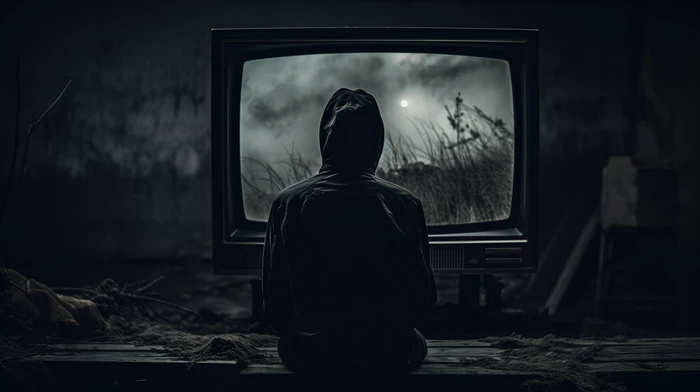

In today’s hyper optimized, hyper responsive world, frustration has become a threat — not to our physical safety, but to our mental equilibrium. We have built a culture so attuned to instant gratification that the slightest delay, disappointment, or deviation can feel like failure. It’s not that the world has grown harsher. It’s that we’ve grown increasingly allergic to discomfort.
The Age of Now
We are the “zero buffer” generation. Everything we want — entertainment, transportation, information, affection — is just a click, swipe, or voice command away. A 2023 study by the Pew Research Center found that over 62% of Americans report feeling anxious or irritable when they experience even minor digital delays, like slow loading websites or laggy apps.
In another global survey by Microsoft, 45% of Gen Z respondents said they have “low tolerance for frustration,” and nearly 30% admitted to abandoning tasks altogether if the results weren’t instant.
This isn’t just tech driven impatience. It’s psychological conditioning. We’ve trained our brains to expect immediacy — and we’ve untrained them from tolerating resistance.
“I Just Couldn’t Take It”
Take the case of Maya Alston, a 28 year old marketing executive from Boston. In 2022, she left her dream job at a top firm less than six months in.
“I got amazing feedback, my salary was the highest I ever made, but I wasn’t moving up fast enough,” she tells TIME. “I watched other people get promoted, and I just felt like — what’s the point of trying so hard? I quit, started freelancing. It felt easier than being stuck.”
When asked if she ever considered staying to build experience, Maya shrugged. “I don’t know… I just couldn’t take the wait.”
Her story is far from unique. According to a 2024 report by Gallup, nearly 57% of millennials and Gen Z workers leave jobs within the first year due to “perceived stagnation.” Not actual stagnation — perceived. The pace of ambition, like everything else in our lives, has been accelerated to real time expectations.
When Everything Is a Crisis
In classrooms, children are taught mindfulness and breathing techniques to manage stress, yet often sheltered from failure. In relationships, conflict is often interpreted as a red flag, not a necessary part of human connection. And on social media, where curated lives are presented without friction, we begin to believe that effort should always equal reward — and quickly.
Psychologists call it frustration intolerance — the inability to cope with setbacks, ambiguity, or imperfection. And it’s on the rise. Dr. Caroline Watkins, a clinical psychologist in New York, sees it regularly in her clients.
“They’re not suffering from deep trauma or clinical depression. They’re suffering from disillusionment,” she says. “They’ve been sold the idea that discomfort means something is wrong — with them, with their choices, with their lives. But discomfort is not the enemy. It’s part of living.”
Frustration Is a Muscle
In the past, frustration was a rite of passage. Whether you were standing in line, waiting for a reply, or learning a skill the hard way — life required stamina. But in an era where endurance is no longer required, we are losing a crucial muscle: resilience.
Without it, we crumble. We swipe left on people, block friends over minor slights, and panic over delayed gratification. We confuse discomfort with danger. But the two are not the same.
As Dr. Watkins puts it: “Frustration builds growth. It teaches boundaries, patience, perspective. Avoiding it makes us emotionally weaker — not stronger.”
The Cost of Inflexibility
This new emotional fragility is not just a personal problem. It’s shaping politics, economics, and social norms. Outrage culture has weaponized frustration into a performance — where patience is weakness, and empathy is optional.
At the workplace, it leads to high turnover and burnout. At home, it leads to isolation. At the societal level, it leads to a culture that values comfort over courage.
Even The Atlantic highlighted this shift in a 2023 feature titled “The Infantilization of Adulthood,” noting that we are increasingly raising generations less prepared for real world resilience — emotionally, socially, and professionally.
Rediscovering the Wait
This is not a call to embrace suffering. It’s a call to normalize it. To understand that frustration is not a glitch in the system, but part of its architecture.
Not every wait is wasted. Not every delay is failure. Sometimes, the most meaningful progress happens not at the speed of WiFi, but at the pace of reflection.
What we need now isn’t more dopamine hits — it’s emotional depth. We must learn to sit with uncertainty, breathe through impatience, and remember that real growth doesn’t come with a progress bar.
Because in a world of instant everything, maybe what we need most… is the ability to wait.




Leave a Reply