


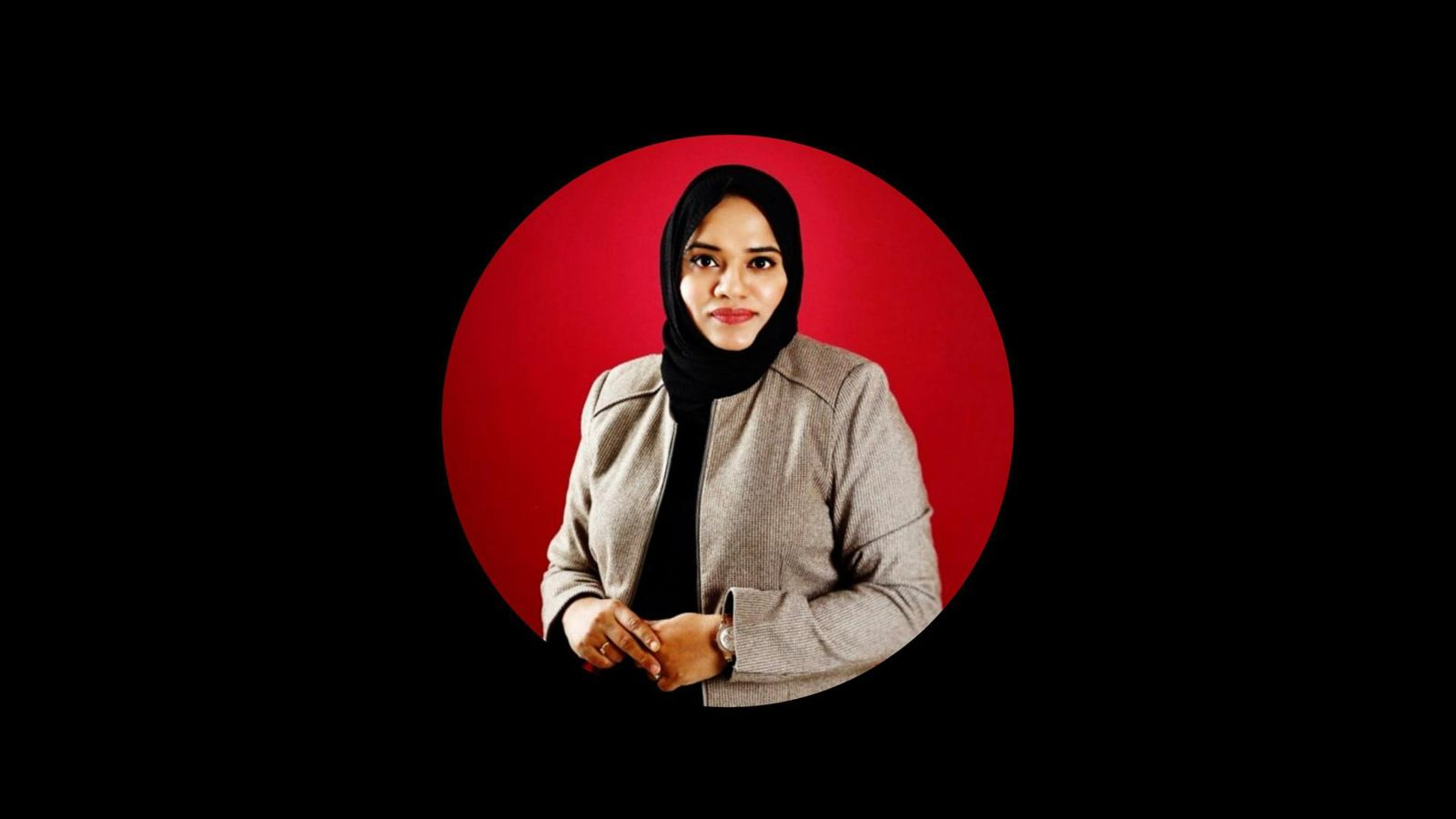
In a world where titles often outshine substance, Dr. Sue Ellen wears both with seamless gravity. Legal Director and Board Member of AlFuttaim Group Egypt, trustee at Egypt’s Financial Regulatory Authority and the Administrative Control Authority, adjunct professor, legal biographer, founder of a nonprofit, and former counselor to the International Court of Justice her résumé spans continents and corridors of power.
But behind the accolades is a woman who refused to accept “no” as the final word.
Dr. Sue Ellen began her legal career in 2006 in a profession where gender still dictated possibility. “I wasn’t accepted to thirteen jobs after graduation,” she recalls. “Not because I lacked the skill, but because I was a woman.” That refusal lit a fire that would come to define her legacy: not just as a legal expert, but as a legal reformer.

The Foundation of a Mission
That legacy took formal shape in the Sue Ellen Foundation for Legal Development an NGO built on a deceptively simple idea: that young women in Egypt deserved to see themselves as future lawyers, judges, and legal architects of their country. What began as a personal calling turned into an institutional force recognized by the French and Finnish embassies, honored across diplomatic circles, and, more importantly, sparking generational change.
“Running a foundation alongside corporate life might seem exhausting,” she reflects, “but it’s deeply fulfilling. I knew I couldn’t rise without lifting others with me.”

Know Your Rights And Use Them
The Foundation’s most celebrated initiative, Know Your Rights, redefines what legal outreach can be. Through a series of widely watched YouTube episodes, Dr. Sue Ellen and her team break down complex issues labor law, intellectual property, Ponzi schemes, women’s rights into accessible, empowering conversations.
“We talk to young people who’ve never been taught what their rights actually are,” she explains. “Law shouldn’t be reserved for the privileged or the formally educated. It belongs to everyone.”
Her dream? Making legal education part of Egypt’s school curriculum. “Law isn’t just for law students. It’s life. And our youth deserve to know how it protects and empowers them.”

Leadership as Mentorship, Not Authority
Dr. Sue Ellen’s leadership style is not about commanding it’s about guiding.
“A true leader is a mentor first,” she says. “Not someone who hands out answers, but who inspires others to find their own.”
Authenticity, she insists, is non-negotiable. “When leaders are real, others follow not out of obligation but out of belief.”
That belief has carried her across some of the most complex legal landscapes in the world from corporate boardrooms to international tribunals at The Hague. But she never let prestige eclipse purpose.

The Challenge and Gift of Visibility
As her public profile grew, Dr. Sue Ellen had to balance recognition with responsibility. “Yes, the spotlight can be overwhelming,” she admits. “But I realized it wasn’t about me. It was about the message: that women can lead, succeed, and transform even in places that weren’t built with them in mind.”
Her calm defiance of cultural and institutional expectations has earned her a spot among the Top 21 Influential Women in Egypt, as named by the Dutch embassy in 2021 and 2022.

Beneath the Robe: A Story of Resilience
Behind every honor, Dr. Sue Ellen carries a deeper story. “There was a moment when I nearly gave up,” she confesses. “I doubted my path. I wondered if I belonged in law. But in questioning myself, I found my strength. I stopped accepting the stereotypes.”
That moment of vulnerability became her pivot point. “Resilience isn’t just about pushing through. It’s about rediscovering why you started and letting that fuel you.”

To the Next Generation of Women in Law
Dr. Sue Ellen has a message for every young woman staring down doubt, prejudice, or fear:
“Be your own judge. Don’t follow the crowd. You are the real architects of society.”

Dr. Sue Ellen’s story is not one of overnight success. It’s a story of grit earned slowly, of power wielded wisely, and of a woman who built her own bench when none offered her a seat. And in doing so, she’s changing not just the rules of law, but who gets to write them.




Leave a Reply