
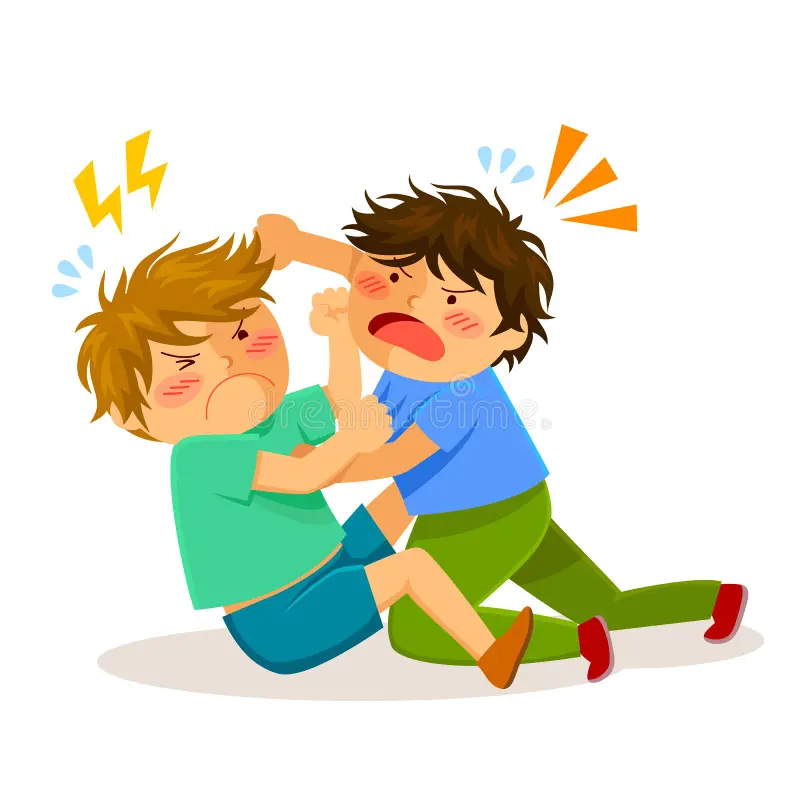

It’s a phrase you may hear in playgrounds, living rooms, even whispered advice passed down through generations: “If someone hits you, hit them back.”
Intended as a lesson in self‑protection, the advice can have unintended consequences that echo through childhood—and adulthood.
The Message Behind the Message
When a parent tells a child to retaliate physically, they’re offering a simple formula: pain meets pain, and strength is defense. But decades of scientific research—from social learning studies to longitudinal developmental evaluations—demonstrate that teaching children violence as conflict resolution often leads to greater, not less, aggression.
In the 1960s, psychologist Dorothea M. Ross, alongside Albert Bandura at Stanford University, showed through the famous Bobo doll experiment how children learn to mimic aggression. Children who observed aggressive role models were far more likely to act aggressively themselves—verbally or physically—than those who did not.
Fast‑forward to modern meta-analyses: Elizabeth Gershoff and Andrew Grogan‑Kaylor from the University of Michigan synthesized 75 studies involving over 161,000 children and concluded that physical punishment resulted in at least 13 adverse outcomes—including higher aggression, depression, poor parent-child relationships, and antisocial behavior—rather than better behavior.
The Risks of Retaliatory Messaging
What happens when children hear “hit back harder”?
In a recent viral incident, a Louisiana mother urged her children to physically retaliate if struck by peers. The video ignited a debate: some celebrated its “tough love” approach, while educators and psychologists cautioned that it normalized violence as a problem-solving tool and discouraged seeking help from adults.
Experts like Dr. Emily Guarnotta and Dr. Zishan Khan warn that encouraging retaliation does more harm than good:
• Increases aggression rather than preventing it
• Inhibits emotional regulation and communication skills
• Escalates conflict instead of helping de-escalate it
• Undermines school authority and trusted adult support structures
What About Schools?
In the school environment, retaliation is rarely treated as self-defense. Most schools enforce zero-tolerance policies when it comes to physical violence—regardless of who “started it.” This often means that the child who “hit back” receives the same disciplinary action as the initial aggressor.
Dr. Maria Jennings, a behavioral specialist in the U.K. school system, explains:
“When children retaliate with physical force, it complicates the disciplinary process. Instead of de-escalation, we see escalation. Our role is to help children find non-violent language, not validate cycles of aggression.”
Many educators and school counselors advocate for teaching restorative justice, peer mediation, and conflict resolution programs starting in elementary school. Schools that have implemented these programs report:
• Decreased suspension and expulsion rates
• Improved student behavior
• Increased student reporting of bullying
Still, these efforts are undermined when children come to school having been told by their caregivers to “defend themselves” by retaliating physically.
“When parents and schools send conflicting messages,” says Julia Barrett, a middle school principal in Chicago, “the child is stuck in a moral and disciplinary trap. We want to raise problem-solvers, not fighters.”
Alternative Approaches That Work
Researchers and child-development specialists emphasize alternatives based on emotional intelligence and conflict-resolution skills rather than physical retribution.
Teaching Emotional Awareness
Children benefit when taught to recognize and label their feelings. Statements like, “It sounds like you felt angry when he took your toy,” help them process emotion before reacting.
Assertive Communication and Boundaries
Role-playing phrases such as, “Stop—that’s not okay” can build confidence and resilience in children more effectively than fists.
Pause and Walk Away
Deep breathing, counting, or walking away provides time to de-escalate impulse and regain composure—often more powerful than escalating the conflict.
Seek Adult Help
Teaching children that telling a trusted adult isn’t tattling—but safety—is a vital lesson in self-advocacy.
Positive Discipline Over Retaliation
Global best practices—from UNICEF and Oxford University’s child behavior experts—encourage positive discipline: consistent routines, logical consequences, praising positive behavior, and one-on-one time to foster emotional connection and cooperation.
Real-World Consequences: Stories & Stats
Case of escalating cycles:
Studies show that using corporal punishment teaches the child to resolve conflict with force. This modeling effect often evolves into intergenerational patterns: children who receive violence may grow up to repeat it or experience deeper trauma.
Longitudinal data:
One study of preschool-age children found that spanking between ages 1–3 predicted increases in aggression at ages 3–5—independent of baseline behavior—and that early aggression also predicted increased spanking over time.
Public health patterns:
Countries that outlaw corporal punishment—such as Sweden—have seen dramatic declines in parent-child hostility and reduced rates of child abuse and long-term mental health problems.
Why Simplicity Misses the Mark
The advice to retaliate appeals because it’s simple, culturally reinforced, and feels empowering. But simplicity obscures complexity:
• Fear-based compliance doesn’t build moral reasoning or empathy
• Repeated hits escalate — what begins as defense becomes aggression
• Suppressing conflict resolution skills leaves children ill-equipped for nonviolent social navigation
Research consistently shows that less violent methods lead to more lasting behavior change and emotional maturity than physical retaliation or corporal discipline ever can.
Conclusion: From Retaliation to Real Resolution
Telling children “hit back if someone hits you” may feel protective. Yet the evidence suggests it leads to more harm—not less. Physical retaliation begets more aggression, not resilience.
Instead, children thrive when taught emotional regulation, verbal boundaries, the strength of saying no, and the courage to seek help. These are tools, not fights that cultivate safe, confident, emotionally intelligent individuals.
In the end, raising a child who can stand tall without swinging is far more powerful than teaching them to fight their battles with their fists.
“إذا ضربك أحد، اضربه”: جذور ومخاطر نصيحة الأهل بالردّ بالعنف”
“إذا ضربك أحد، اضربه” — عبارة قد تسمعها في الساحات المدرسية، غرف المعيشة، أو حتى كنصيحة عائلية توارثتها الأجيال
يُقصد بها تعليم الطفل الدفاع عن النفس، لكنها تحمل عواقب غير متوقعة قد ترافقه طوال حياته
الرسالة خلف العبارة
حين يقول أحد الوالدين لطفله أن يردّ بالضرب، فهو يمنحه معادلة بسيطة: الألم يُقابل بالألم، والقوة وسيلة الحماية. ولكن أبحاثًا علمية متعددة — بدءًا من دراسات التعلم الاجتماعي وحتى تحليلات تطوّر السلوك الطولي — تؤكد أن تعليم الأطفال العنف كوسيلة لحل النزاع يؤدي في الغالب إلى مزيد من العدوانية لا أقل
في ستينيات القرن الماضي، أجرت العالمة النفسية دوروثيا م. روس، بالتعاون مع العالم ألبرت باندورا من جامعة ستانفورد، تجربة شهيرة عُرفت بتجربة “دمية بوبو”. وقد أظهرت أن الأطفال الذين شاهدوا نماذج عدوانية كانوا أكثر ميلاً لتقليد هذا السلوك — شفهيًا وجسديًا — مقارنة بمن لم يشاهدوها
وفي تحليل شامل حديث، جمعته العالمة إليزابيث غيرشوف وزميلها أندرو كروغان-كايلور من جامعة ميشيغان، شملت ٧٥ دراسة لأكثر من ١٦١,٠٠٠ طفل، وخلصت إلى أن العقاب الجسدي ارتبط بـ١٣ نتيجة سلبية على الأقل، منها: زيادة العدوانية، الاكتئاب، ضعف العلاقة بين الطفل ووالديه، والسلوك المعادي للمجتمع — دون تحسن في السلوك
ماذا يحدث حين يسمع الطفل “اضربه أكثر”؟
في حادثة حديثة انتشرت على وسائل التواصل الاجتماعي، ظهرت أم في ولاية لويزيانا الأمريكية تُخبر أطفالها أن يردوا بالضرب إذا تعرّضوا للأذى. أثارت الحادثة نقاشًا عامًا: البعض رأى في الأمر حزمًا و”حبًا قاسيًا”، بينما حذر المختصون من أن هذه الرسالة تُشرعن العنف كوسيلة حلّ، وتمنع الطفل من اللجوء للكبار
يحذر خبراء مثل الدكتورة إميلي غوارنوتا والدكتور زيشان خان من أن التشجيع على الانتقام يضر أكثر مما ينفع
يزيد من العدوانية ولا يحدّ منها*
يضعف ضبط النفس والتواصل العاطفي*
يصعّد النزاع بدلاً من تهدئته*
يقوّض ثقة الطفل بالمدرسة والكبار*
دور المدرسة: بين التأديب والتناقض
في البيئة المدرسية، نادرًا ما يُعتبر الردّ الجسدي دفاعًا عن النفس. معظم المدارس تتبنى سياسة “عدم التسامح مطلقًا” تجاه العنف الجسدي — بغض النظر عن من بدأ. ما يعني غالبًا أن الطفل الذي “ردّ بالضرب” سيتعرض لنفس العقوبة التي يُعاقب بها الطفل المعتدي
توضح الدكتورة ماريا جينينغز، أخصائية السلوك في النظام المدرسي البريطاني
“عندما يردّ الطفل بالضرب، تتعقّد العملية التأديبية. نحن هنا لمساعدة الطفل على اختيار لغة غير عنيفة، لا أن نعزز دوامة الانتقام”
لذلك، يعتمد الكثير من المعلمين والمستشارين التربويين على برامج مثل العدالة التصالحية، الوساطة بين الأقران، وتعليم مهارات حل النزاع منذ المرحلة الابتدائية
تشير المدارس التي تطبق هذه البرامج إلى
انخفاض معدلات الطرد والإيقاف المدرسي*
تحسن في سلوك الطلاب بشكل عام*
زيادة بلاغات الأطفال عن التنمر والعنف*
لكن هذه الجهود تتعرض للعرقلة حين يأتي الطفل للمدرسة حاملاً رسالة منزلية مختلفة: “اضرب من ضربك”
تقول جوليا باريت، مديرة مدرسة إعدادية في شيكاغو
“عندما يتلقى الطفل رسائل متضاربة من البيت والمدرسة، يصبح عالقًا في فخ أخلاقي وتأديبي. هدفنا ليس أن نربي مقاتلين، بل صانعي حلول”
البدائل التي تنجح فعلاً
يؤكد باحثو نمو الطفل أن الحل يكمن في تعزيز الذكاء العاطفي وتعليم مهارات حل النزاعات بدلاً من الردّ الجسدي
أولا: تعليم الوعي العاطفي
مساعدة الطفل على التعرف على مشاعره وتسميتها. مثال: “يبدو أنك شعرت بالغضب عندما أخذ لعبتك”، يساعده على المعالجة دون عنف
ثانيا: التواصل الحازم ووضع الحدود
مثل استخدام عبارات: “توقف، هذا غير مقبول”، تمنح الطفل ثقة أكثر من الضرب
ثالثا: التوقف والمغادرة
العدّ، التنفس العميق، أو الابتعاد يمنح الطفل وقتًا لاستعادة السيطرة على نفسه
رابعا: طلب المساعدة من شخص بالغ
تعليم الطفل أن التحدث مع الكبار ليس “وشاية” بل أمان، يُعزز من قدرته على الدفاع عن نفسه بطريقة ناضجة
خامسا: التأديب الإيجابي بدلاً من العقاب الجسدي
توصي منظمات عالمية مثل منظمة الأمم المتحدة للطفولة (يونيسف)، وجامعة أوكسفورد، بأساليب تأديب إيجابية تشمل: الروتين، العواقب المنطقية، المدح، والوقت الفردي مع الطفل لتعزيز العلاقة وبناء الانضباط الذاتي
القصص والإحصائيات الواقعية
دوامات التصعيد
العقاب الجسدي لا يُوقف العنف بل يُعيد إنتاجه جيلاً بعد جيل. الأطفال الذين يتعرضون للضرب قد يكبرون ليكرروه أو يعانوا من آثاره النفسية الطويلة.
وجدت دراسة أن الأطفال الذين تعرضوا للضرب بين عمر سنة إلى ٣ سنوات، أصبحوا أكثر عدوانية في عمر ٣–٥ سنوات، بغض النظر عن سلوكهم الأساسي
أنماط عالمية
في دول مثل السويد، التي حظرت العقاب الجسدي، انخفضت معدلات العنف الأسري والمشاكل النفسية بشكل كبير على المدى الطويل
لماذا تبدو النصيحة سهلة لكنها مضلّلة؟
النصيحة بـ”الردّ” تجذب لبساطتها وشعورها بالقوة، لكنها تخفي تعقيدًا خطيرًا
الطاعة المبنية على الخوف لا تُنتج أخلاقًا أو تعاطفًا*
العنف يُصعّد بسرعة — ما يبدأ دفاعًا قد ينتهي هجومًا*
الافتقار إلى مهارات التفاوض يترك الطفل عاجزًا أمام مواقف اجتماعية لاحقة*
الأبحاث تؤكد أن الأساليب الهادئة وغير العنيفة تؤدي إلى تغييرات سلوكية أكثر استدامة ونضوج عاطفي أكبر من العقاب أو الانتقام الجسدي
الخلاصة: من الانتقام إلى الحلّ الحقيقي
قول الطفل: “اضرب من يضربك” قد يبدو حماية. لكنه غالبًا ما يؤدي إلى نتائج عكسية. العنف لا يصنع قوة، بل يزيد الضعف
الأطفال يتطورون ويزدهرون عندما يتعلمون التحكم في مشاعرهم، تحديد حدودهم بالكلمات، قول “لا”، وطلب المساعدة بثقة. هذه الأدوات ، وليست اللكمات ، هي ما يصنع شخصًا آمنًا، واثقًا، وذكيًا عاطفيًا
وفي النهاية، تربية طفل يستطيع الوقوف بثبات دون أن يضرب، أقوى بكثير من تعليمه القتال للدفاع




Leave a Reply