
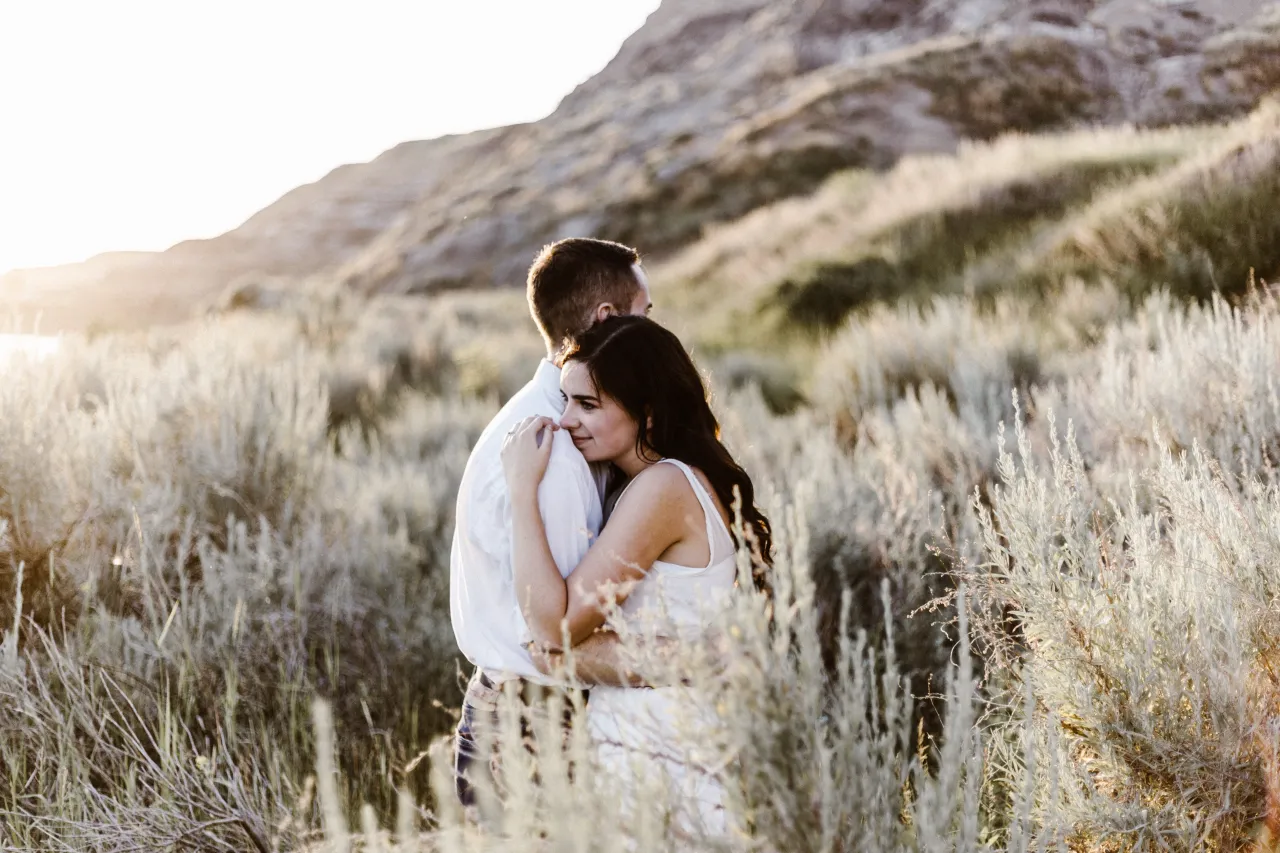

Some people meet their person at 22. Others at 42. Some fall in love once. Others, twice, or never. But for those who choose to wait deliberately, hopefully, even quietly the question lingers: Is it worth it?
Love is often portrayed as a serendipitous spark or a stroke of fate, but behind many enduring relationships lies something much less glamorous: patience. In a culture that celebrates instant gratification and constant connection, the idea of waiting for the “right” love can seem not only old-fashioned but risky. Still, thousands of people around the world are doing just that choosing, often intentionally, to wait for love that feels genuine, mutual, and lasting.
But does waiting actually lead to deeper love, stronger partnerships, or better outcomes? Science, psychology, and lived experiences offer layered and at times surprising answers.
What Psychology Tells Us About Waiting
Delaying love is not about being passive, it’s often an active, mindful decision rooted in self-awareness. According to a 2014 study in the Journal of Social and Personal Relationships, individuals who waited longer to enter romantic relationships were more likely to report higher levels of emotional satisfaction, better communication, and stronger compatibility.
“There’s this misconception that love is all about timing, but more often, it’s about readiness,” says Dr. Helen Fisher, a biological anthropologist and senior research fellow at The Kinsey Institute. “People who’ve taken the time to understand themselves tend to choose better, love better, and last longer.”
She notes that the neurochemistry of early love, marked by dopamine spikes, infatuation, and idealization, tends to blur judgment. Those who wait, particularly past the early years of young adulthood, may be more capable of distinguishing real connection from fleeting attraction.
Stories That Make the Case for Waiting
One doesn’t have to look far to find real stories that give meaning to the wait.
Consider Amal and Tariq, who met in a philosophy class in Jordan in their early twenties but didn’t reconnect until they were both nearly 40. “We were drawn to each other back then,” Amal recalls, “but we weren’t ready. Life needed to teach us a few things first.” Two decades later, both divorced and raising children, they found their way back. “This love isn’t perfect,” Tariq says, “but it’s rooted. It came after we stopped pretending we had all the answers.”
Their story isn’t rare. Many people describe their most profound relationships as those formed after years of self-growth — when love was no longer about validation but partnership.
When Culture Pushes You Not to Wait
For many, particularly women the pressure not to wait is real. Families, timelines, and cultural milestones all play their part. According to Pew Research Center (2021), while marriage rates are declining and the average age of first marriage continues to rise globally, societal expectations around “settling down” remain strong.
“There’s an unspoken rule that by 30, you should have figured it out,” says Sahar, a 35-year-old lawyer based in Dubai. “People ask, ‘Why are you still single?’ as if love is a train you missed.”
But she’s not apologizing for her choices. “I’ve been building a life that I actually love. If someone joins me in it, great. But I’ve stopped thinking of waiting as a pause. It’s become a path.”
Not All Waiting Ends in Romance. And That’s Okay
Waiting doesn’t always end in fireworks or weddings. But that doesn’t mean it’s wasted.
Rania, a 48-year-old painter in Alexandria, never married. “There were men,” she smiles. “There were possibilities. But none that matched the peace I felt alone.” Over time, she built a community of artists, mentored young women, and traveled across North Africa. “I don’t think I missed out,” she says. “I think I made room.”
Love, in its broader form, often finds expression in friendship, family, art, and purpose. And for some, the love they waited for wasn’t romantic at all it was self-love, hard-earned and worth every year.
What Makes the Wait Worth It
The real merit of waiting isn’t that it guarantees anything. Rather, it’s about who you become while you wait.
Therapist Esther Perel often reminds clients that love is not just something that happens to us, it’s something we practice. “The question isn’t whether you’ll find love,” she writes. “It’s whether you’re becoming someone who can receive it and give it when it arrives.”
That transformation, internal, gradual, often unseen is where the wait finds its meaning.
So, Is Love Worth the Wait?
Only you can decide. For some, love finds them quickly and lasts. For others, it arrives late, or takes a different form than they imagined. And for many, the wait teaches them more than love itself ever could.
But here’s what seems true: The kind of love that is worth having, the kind that doesn’t diminish you, that doesn’t ask you to shrink or rush, is often the kind that takes time. And for that, the wait might just be more than worth it.
هل يستحق الحب الانتظار؟
بعض الناس يلتقون بشريك حياتهم في سن الثانية والعشرين، وآخرون في الثانية والأربعين. البعض يقع في الحب مرة واحدة، وآخرون مرتين أو لا يقع أبدًا. لكن لأولئك الذين اختاروا الانتظار—بوعي، وأمل، وصمت أحيانًا—يبقى السؤال حاضرًا: هل يستحق الحب الانتظار؟
غالبًا ما يُصوَّر الحب على أنه مصادفة أو لحظة سحرية، لكن خلف الكثير من العلاقات المتينة هناك ما هو أقل جاذبية وأكثر جوهرية: الصبر. في عالم يقدّس السرعة والتواصل الدائم، تبدو فكرة انتظار الحب الحقيقي وكأنها فكرة قديمة، بل وربما محفوفة بالمخاطر. ومع ذلك، هناك الآلاف حول العالم ممن يختارون، عن وعي، الانتظار لحبّ حقيقي، متبادل، وعميق
لكن هل يؤدي الانتظار فعليًا إلى علاقات أعمق وشراكات أكثر استقرارًا؟ العلم، وعلم النفس، والتجارب الحياتية، تقدم لنا إجابات متعددة وأحيانًا مفاجئة
ماذا يقول علم النفس عن الانتظار؟
الانتظار لا يعني السلبية بل هو غالبًا قرار نشط نابع من الوعي الذاتي. تشير دراسة نُشرت عام 2014 في مجلة العلاقات الاجتماعية والشخصية إلى أن الأشخاص الذين ينتظرون فترة أطول قبل الدخول في علاقة عاطفية يميلون إلى الإبلاغ عن مستويات أعلى من الرضا العاطفي، والتواصل الأفضل، والتوافق الأقوى.
“هناك اعتقاد شائع بأن الحب كله يتعلق بالتوقيت لكن في الواقع، هو يتعلق بالجاهزية أكثر”، تقول الدكتورة هيلين فيشر، عالمة الأنثروبولوجيا البيولوجية والباحثة البارزة في معهد كينزي. “الأشخاص الذين يقضون وقتًا في فهم أنفسهم يميلون إلى اتخاذ قرارات عاطفية أفضل، ويحبون بعمق، وتدوم علاقاتهم أطول”
تشير أبحاثها إلى أن الكيمياء العصبية للحب المبكر التي تتسم باندفاع الدوبامين والانبهار والمثالية غالبًا ما تحجب الحكم السليم. أما الذين ينتظرون عن وعي، خصوصًا بعد سن الشباب، فيكونون أقدر على التمييز بين الانجذاب السريع والاتصال الحقيقي
قصص حب انتظرت وأزهرت
القصص الواقعية هي أفضل دليل على قيمة الانتظار
نأخذ قصة أمل وطارق، اللذين التقيا في صف الفلسفة في الأردن في أوائل العشرينات، لكنهما لم يعاودا التواصل إلا بعد اقترابهما من سن الأربعين. “كان هناك انجذاب بيننا حينها”، تتذكر أمل، “لكننا لم نكن مستعدين. كانت الحياة بحاجة إلى أن تعلّمنا بعض الدروس أولًا.” بعد عقدين، وبعد طلاق كل منهما وتربية أطفال، التقيا مجددًا. “هذا الحب ليس مثاليًا”، يقول طارق، “لكنه متجذر. جاء بعد أن توقفنا عن التظاهر بأننا نعرف كل شي”
قصتهما ليست نادرة. كثيرون يصفون أعمق علاقاتهم بأنها تلك التي بدأت بعد سنوات من النمو الذاتي — عندما لم يعد الحب حاجة، بل شراكة
حين يدفعك المجتمع لعدم الانتظار
بالنسبة للكثيرين وخصوصًا النساء فإن الضغوط لعدم الانتظار حقيقية. العائلة، والتوقعات المجتمعية، والساعات البيولوجية، جميعها تلعب دورًا. ووفقًا لمركز بيو للأبحاث (2021)، ورغم انخفاض معدلات الزواج وارتفاع متوسط سن الزواج عالميًا، لا تزال توقعات “الاستقرار” المجتمعي قوية
“هناك قاعدة غير معلنة بأن عليك أن تكون قد وجدت شريك حياتك بحلول الثلاثين”، تقول سحر، محامية تبلغ من العمر 35 عامًا من دبي. “يسألك الناس: لماذا لا تزالين عزباء؟ وكأن الحب قطار فاتك”
لكنها لا تعتذر عن خياراتها. “كنت أبني حياة أحبها فعلًا. إذا انضم لي شخص فيها، فأهلاً به. وإن لم يحدث، فقد توقفت عن اعتبار الانتظار نوعًا من التوقف. لقد أصبح طريقًا”
ليس كل انتظار ينتهي برومانسية وهذا لا بأس به
الانتظار لا يؤدي دائمًا إلى نهاية رومانسية سعيدة. لكنه لا يكون عبثًا
رانية، فنانة تبلغ من العمر 48 عامًا من الإسكندرية، لم تتزوج قط. “كان هناك رجال”، تبتسم. “وكانت هناك احتمالات. لكن لم يكن هناك من يضاهي السلام الذي أشعر به وأنا وحدي.” على مدار السنوات، بنت مجتمعًا من الفنانين، وأشرفت على تعليم شابات، وسافرت في أنحاء شمال أفريقيا. “لا أعتقد أنني فوّت شيئًا”، تقول. “بل أظن أنني خلقت مساحة”
الحب، في صورته الأوسع، يظهر في الصداقات، والعائلة، والفن، والهدف. وبالنسبة لبعضهم، الحب الذي انتظروه لم يكن رومانسيًا على الإطلاق — بل كان حب الذات، وهو ما استحق كل عام انتظروه
ما الذي يجعل الانتظار ذا قيمة؟
القيمة الحقيقية للانتظار لا تكمن في ضمان النهاية، بل في الشخص الذي تصبحه أثناء الانتظار.
تُذَكِّر المعالجة النفسية إستير بيريل زبائنها بأن الحب ليس مجرد شيء يحدث لنا بل هو شيء نمارسه. “السؤال ليس هل ستجد الحب”، تكتب، “بل هل أنت تصبح شخصًا قادرًا على استقباله ومنحه عندما يأتي؟”
ذلك التحول — الداخلي، التدريجي، وغير المرئي أحيانًا هو ما يعطي للانتظار معناه الحقيقي
فهل يستحق الحب الانتظار؟
الإجابة شخصية للغاية. بالنسبة للبعض، يأتي الحب مبكرًا ويستمر. وبالنسبة لآخرين، يأتي متأخرًا أو بشكل مختلف عمّا تخيّلوه. وللكثيرين، كان الانتظار هو المعلم الأكبر، أكثر من الحب نفسه
لكن ما يبدو مؤكدًا: أن النوع من الحب الذي يستحق الحصول عليه ذاك الذي لا يقلل من قيمتك، ولا يطلب منك أن تنكمش أو تستعجل غالبًا ما يكون من النوع الذي يحتاج إلى وقت. ولهذا، قد يكون الانتظار أكثر من مجرد تضحية بل استثمار حقيقي في الذات، وفي الحب الذي يُبنى على نضج وصدق



Leave a Reply