


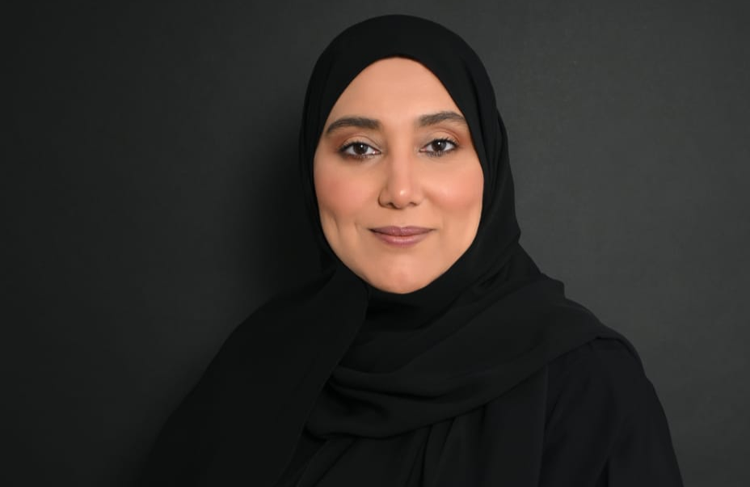
Sarah Busia’s journey into the world of opera is one of discovery, resilience, and devotion to the art of storytelling through music. Ghanaian by heritage, born and raised in London, and long settled in the United Arab Emirates, she embodies a truly global identity. For the past seventeen years, the UAE has been her home, a place where she studied at university and continued nurturing her passion for music. Opera, she says, is more than performance it is a living language of emotion. “I love the dramatic and expressive art of opera and although most of the music I sing was written hundreds of years ago, if you listen to the lyrics, you’ll find most of it is still relatable.”
Her love for opera began almost by chance. As a schoolgirl in London, she had heard her mother play opera records, but it was her first voice teacher who truly unlocked the door. Searching for pieces to suit her naturally high range, the teacher placed soprano arias in front of her. “I loved singing them immediately and have been singing baroque, classical and romantic music ever since,” Busia recalls. That moment sparked a path that has since taken her across stages, choirs, and solo performances, building a voice that resonates with clarity and sincerity.
Yet opera is demanding, both emotionally and technically. For Busia, the process begins with words. “The first stage is to understand and memorize text (as I usually sing in Italian, French or German), to deliver a believable performance,” she explains. Though she has sung solo on countless occasions, she admits to still feeling stage fright. But something shifts once she steps into the spotlight: “When I really enjoy a piece, I sort of go into my own world.”
That intimate world of music became her sanctuary at a time of profound personal loss. Only weeks after her father’s passing, she faced a performance at Etihad Arena. Unsure whether she could continue, she found encouragement in her mother’s words and a friend’s advice to “sing for your dad.” “I did, and it helped me,” she says softly. What might have been a moment of retreat became instead an act of courage, transforming grief into resonance.
For Busia, opera must also belong to everyone. She sees herself as part of a movement to make classical music more inclusive, more accessible, and more alive. “You don’t have to know the whole opera, or every composer. There are lots of operas available to stream with subtitles that can be a good introduction. I want classical music to become more accessible, and I hope to do that with more performances in places where it usually wouldn’t be performed.” Her belief is simple yet radical: opera’s power lies not in its exclusivity but in its ability to move anyone willing to listen.
Still, the classical stage is not without its challenges. Competition is fierce, particularly for sopranos. She remembers auditioning for a major solo part and facing disappointment when she did not succeed. Yet a teacher in Dubai gave her the encouragement she needed to persevere. “She reminded me not to let all my work go to waste and to keep going. I’ll always be grateful for that.” That resilience has shaped her approach to setbacks—viewing them not as endings, but as moments to grow stronger.
Busia carries with her defining moments that affirm why she sings. Performing at an art gallery in Dubai earlier this year, she faced nerves about remembering solos, duets, group numbers, and staging. But afterwards, a guest approached her with words she will never forget: “She told me her soul was moved by my performance. I was overwhelmed hearing that.” These encounters remind her that opera is not about technical perfection alone—it is about touching hearts.
Though her career takes her across countries, Busia remains connected to her roots. Holidays are often spent in Ghana or the U.K., places that remind her of the heritage and history that shape her identity. That grounding allows her to navigate the global nature of her life while holding close the cultures that formed her.
Her advice to the next generation, particularly young girls from underrepresented backgrounds, is both practical and inspiring: “Practice daily. Even on the days when you feel like no one will hear you, even if there is no upcoming performance. Create your list of repertoire and learn basic music theory. Then you will be ready for when someone does invite you to sing. Don’t be afraid to start you have to start somewhere, and one opportunity will eventually lead to another.”
Looking ahead, she feels gratitude for the community of musicians she has found in Dubai. With exciting collaborations on the horizon, she plans to share details of upcoming performances through her Instagram, @sarahbusiaopera.
Sarah Busia’s voice carries more than music. It carries memory, resilience, and hope. Her artistry reminds us that opera is not frozen in time but continues to speak across centuries, languages, and cultures. Through her performances in arenas, galleries, or intimate gatherings, she proves that opera’s essence is universal: to stir the soul, to tell stories, and to make us feel, deeply and enduringly.




Leave a Reply