
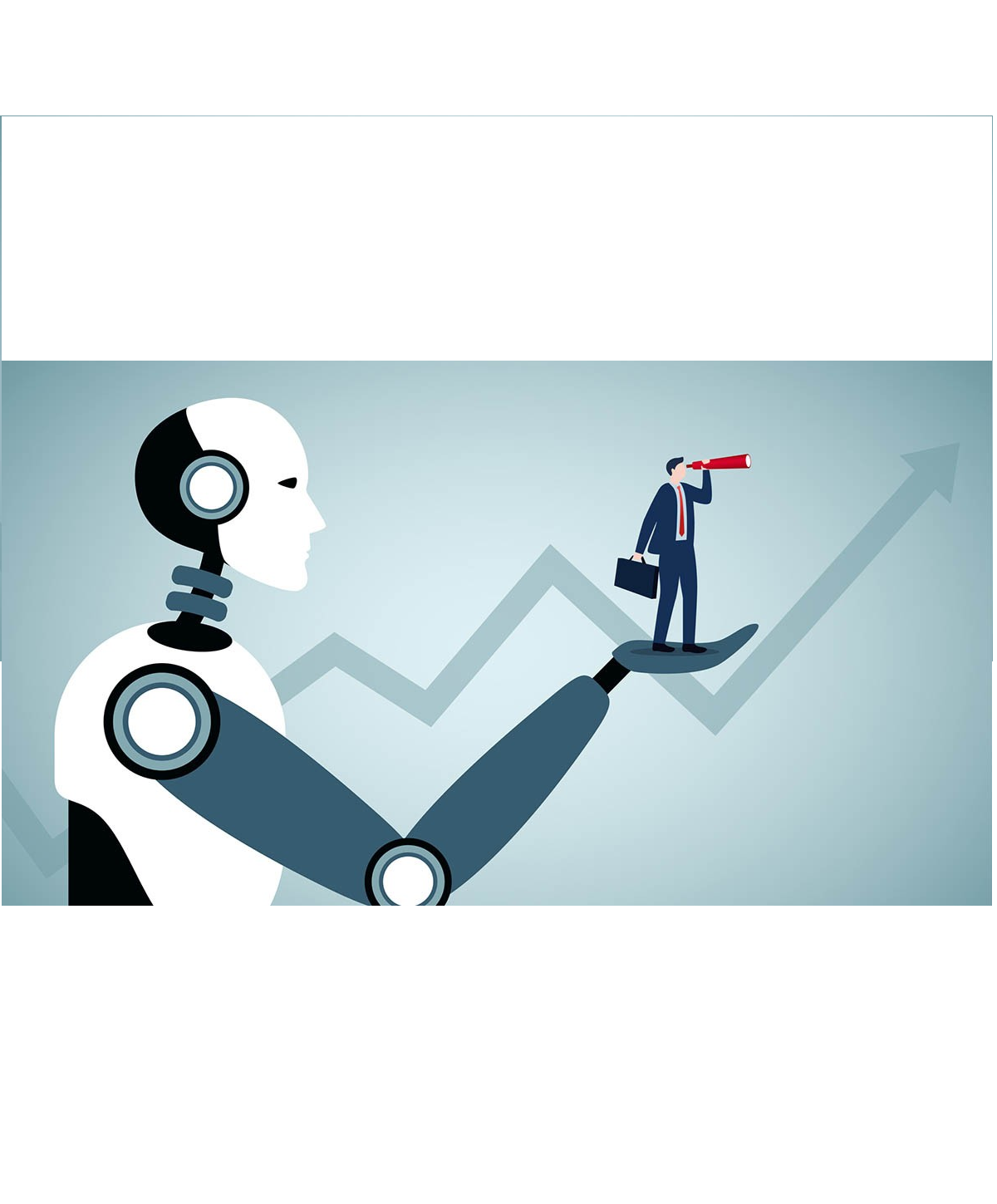
As artificial intelligence (AI) continues to transform industries at a dizzying pace, the question on many workers’ minds is clear: how can we prepare for a future where machines and algorithms are increasingly taking on tasks once performed by humans? While some see the rise of AI as a threat to job security, others view it as an opportunity to adapt, reskill, and thrive in a rapidly changing world of work. For those navigating these uncertain waters, understanding the forces at play and taking proactive steps could mean the difference between staying relevant and being left behind.
A New Era of Automation
From factory floors to financial institutions, AI has already begun reshaping the labor market. In manufacturing, robots are assembling cars with unprecedented precision. In retail, AI-driven inventory systems are predicting consumer demand. Even white-collar professions are not immune, with machine learning algorithms now analyzing legal contracts, diagnosing medical conditions, and even generating news articles.
A 2023 study by McKinsey estimated that up to 25% of current jobs could be automated by 2030, with industries such as transportation, customer service, and data processing particularly vulnerable. However, the rise of AI is not purely a story of job destruction. The same report predicts that AI could create millions of new roles, particularly in technology development, data analysis, and fields requiring creative and critical thinking.
The Skills That Matter
In this new landscape, adaptability is paramount. Employers are increasingly seeking workers who can complement AI rather than compete with it. According to a report by the World Economic Forum, the most in-demand skills for 2025 include analytical thinking, creativity, and technological proficiency—areas where humans have a distinct edge over machines.
Workers can also benefit from developing “soft skills” such as emotional intelligence, leadership, and the ability to work collaboratively in diverse teams. As machines take over routine tasks, the human touch will become a key differentiator in fields ranging from healthcare to customer service.
“The future belongs to those who are willing to learn and adapt,” says Sarah Malik, a workforce strategist based in New York. “It’s not about trying to outpace the machines; it’s about working alongside them to achieve better outcomes.”
The Rise of Lifelong Learning
One of the most effective ways to future-proof your career is to embrace a mindset of lifelong learning. Traditional models of education, where skills are acquired early in life and then applied throughout a career, are increasingly inadequate in an era of constant technological change. Instead, workers must continuously upskill and reskill to stay ahead of the curve.
Online platforms such as Coursera, Udemy, and edX offer a wealth of courses in AI, programming, and data analysis, making it easier than ever to acquire new skills. Many companies are also investing in workforce development programs, recognizing that their success depends on having employees who can navigate the complexities of AI-driven systems.
For example, tech giant IBM has launched initiatives to train workers in AI and cloud computing, while retail leader Walmart has implemented upskilling programs to help employees transition into more specialized roles. These efforts underscore the importance of collaboration between employers, workers, and educational institutions in preparing for the future of work.
Entrepreneurship and Innovation
The rise of AI also presents opportunities for entrepreneurship. As new technologies create new problems to solve, innovative thinkers can carve out niches in emerging fields. Consider the growth of AI ethics consulting, a field that barely existed a decade ago but is now critical as companies grapple with the societal implications of their technologies.
Small businesses and startups are also leveraging AI to enhance productivity and improve customer experiences. By adopting AI tools, entrepreneurs can scale their operations and compete more effectively in the marketplace. For those with an entrepreneurial spirit, the AI revolution offers fertile ground for innovation.
Navigating the Transition
For workers in industries most vulnerable to automation, the road ahead may seem daunting. But history suggests that technological disruption often leads to new opportunities, even as it displaces existing roles. The Industrial Revolution, for instance, gave rise to entirely new sectors and professions, even as it rendered others obsolete.
To navigate this transition, experts recommend taking the following steps:
Assess Your Skills: Identify areas where your current skills align with the demands of the AI-driven economy and where you may need to improve.
Invest in Education: Enroll in courses or training programs to develop expertise in high-demand fields such as data analysis, machine learning, or cybersecurity.
Leverage AI Tools: Familiarize yourself with AI-powered tools that can enhance your productivity and decision-making, whether you’re a marketer, engineer, or healthcare professional.
Build a Network: Connect with professionals in your field to stay informed about industry trends and opportunities for growth.
Stay Flexible: Be open to exploring new roles or industries, especially those that are less likely to be affected by automation.
A Shared Responsibility
While individuals must take responsibility for their own career trajectories, the challenge of preparing for an AI-driven future is not theirs alone. Governments, businesses, and educational institutions all have a role to play in fostering a resilient workforce.
Policymakers can support workers through initiatives such as job training programs, tax incentives for reskilling, and investments in STEM education. Businesses, meanwhile, can adopt a “people-first” approach by prioritizing employee development and creating pathways for workers to transition into new roles.
The rise of AI is an inevitable force reshaping the world of work, but it is not an insurmountable challenge. By staying informed, adaptable, and proactive, workers can not only survive but thrive in this era of rapid technological change. The future may be uncertain, but it is also brimming with possibility for those willing to seize it.





Leave a Reply